BCM@LGX
Business Continuity Management
Custom Applications to Ensure the Resilience and Continuity of Your Business Operations.
Contact US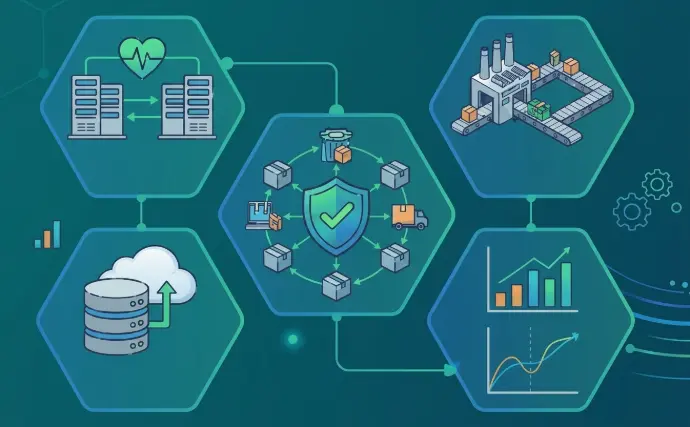
Operational Resilience
Ensure the continuity of your critical processes and minimize the impact of disruptions.
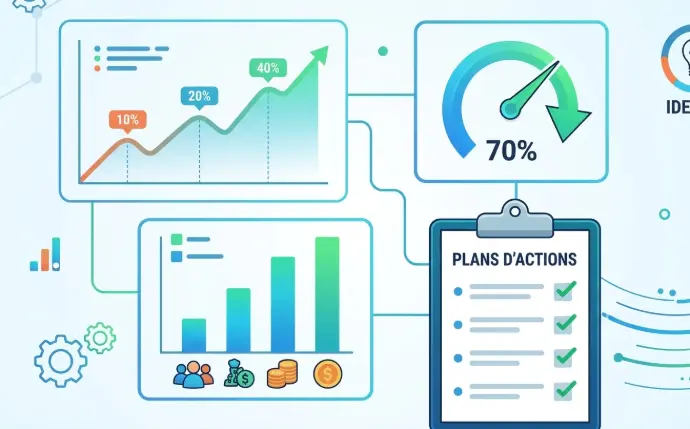
data-driven approach
Metrics, dashboards, and action plans for rapid decision-making
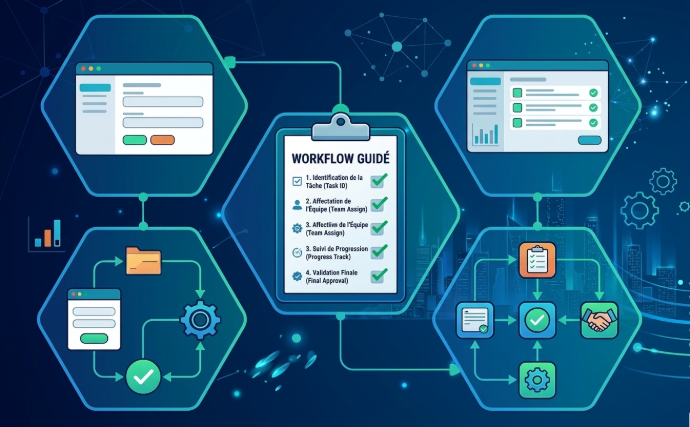
Adopted by the teams
Simple interfaces, guided workflows, and seamless collaboration between business units and IT.

POPA Preliminary Overview of Process and Activity
Identify what your organization needs to continue doing. This is the initial inventory and mapping of business activities and processes prior to the formal business impact analysis (BIA).

BIA (Business Impact Analysis)
Calculate the true cost of a disruption. With just a few tables, you can identify critical activities and the time limit beyond which a stoppage is no longer acceptable.

MVC (Minimum Viable Company)
Keep the essentials in sight: the activities and applications that are essential to the organization’s operations, along with the tightest recovery deadlines.

Application Mapping
Link each application to the business processes it supports, its dependencies, and its hosting environment. You'll immediately know what needs to be restarted—and in what order.

Tier 0 Analysis
Thoroughly examine the foundations of the information system: directory services, DNS, storage, and virtualization. You’ll immediately see what needs to be in place so that the rest can get back up and running.

DRP (Disaster Recovery Plan)
Describe how to restore systems, applications, and data. Each plan is ready to be followed, reviewed, and updated after an incident.

BCP (Business Continuity Plan)
Prepare for business continuity. Dependencies, strategies, and scenarios: every business unit knows how to keep operating when its usual tools are no longer available.

Restoration Sequence
Display the restart order. Dependencies take precedence over the applications that rely on them, with the most urgent ones first.

Identify what needs to be maintained
Describe your business-critical activities, assess the impact of an outage, and link each application to its specific purpose. BCM@LGX, the BCM application developed by LOEGAUX, highlights what matters most: deadlines, dependencies, and the technical foundation without which nothing can resume operations. Business and IT finally share a common understanding.
More details
Develop a recovery strategy
Move from analysis to plans: business continuity, IT recovery, recovery procedures, and backups. Test the plans, manage the crisis, and track any outstanding actions. Every change is reflected in the plans, ensuring they are accurate when the time comes to use them.
More detailsEn Business Continuity Management, la gestion de la fin de crise et du retour à la normale est souvent laissée de côté alors qu'elle conditionne la qualité de la reprise durable. Après un incident, il ne suffit pas de redémarrer les activités : il faut organiser la sortie du mode dégradé, réintégrer progressivement les services, résorber les retards accumulés et vérifier que les mesures provisoires ne se transforment pas en solutions permanentes coûteuses. Une revue formelle de sortie de crise, avec des critères de retour à la normale clairement définis et validés par la direction, évite l'enlisement dans un fonctionnement d'urgence qui épuise les équipes. Cette étape de clôture, trop rarement documentée, est pourtant celle qui permet de capitaliser sur l'expérience vécue et de renforcer le plan pour la prochaine fois.
Discover BCM@LGX for your own projects
In a single demonstration, we’ll walk you through the entire process: from critical operations to recovery plans. You’ll leave with a clear understanding of how this tool changes your approach to business continuity.